What is it about mini versions of something that excites so many? Does it root to playing with small replicas of objects as a child?
The Allure and Influence of Miniatures: A World in Tiny Detail
Introduction
The art of creating miniatures, whether through painting, model-building, or crafting tiny replicas, has fascinated enthusiasts for centuries. These small-scale representations offer not only an impressive display of craftsmanship but also a window into history, culture, and imagination. The enthusiasm behind miniatures is driven by a blend of artistic challenge, historical interest, and a love for detail, making this craft a unique and enduring hobby.
Historical Roots
The history of miniatures can be traced back to ancient civilizations where small-scale items were used for religious, cultural, or practical purposes. In medieval Europe, miniature paintings adorned illuminated manuscripts, offering detailed illustrations and embellishments that brought texts to life. These intricate artworks required immense skill and precision, setting a high standard for miniature art.
In the Victorian era, dollhouses and miniature furniture became popular, reflecting the domestic life of the period in exquisite detail. These miniatures were not just toys but also educational tools, teaching young girls about household management and social customs.
The Craft of Miniatures
Creating miniatures demands a high degree of skill and patience. Artists must have a keen eye for detail and a steady hand. The process often involves the use of magnifying tools and fine brushes or instruments. Whether it’s painting a tiny portrait, constructing a model train, or sculpting a small figurine, the precision required is immense.
Materials used in miniature making vary widely. Traditional miniatures might use ivory or vellum, while modern miniaturists employ plastic, metal, wood, and even digital tools for 3D printing. The choice of materials and the techniques employed can significantly affect the final product’s appearance and durability.
Enthusiasm and Community
The miniature crafting community is vibrant and diverse. Enthusiasts range from professional artists to hobbyists, each bringing their unique perspective and passion to the craft. Online forums, social media groups, and local clubs provide platforms for sharing work, tips, and support, fostering a sense of camaraderie and shared enthusiasm.
Exhibitions and conventions dedicated to miniatures attract thousands of visitors, showcasing the latest trends and innovations in the field. These events are not only a chance to admire the work of master miniaturists but also to learn and be inspired by the collective creativity of the community.
Psychological Appeal
The appeal of miniatures extends beyond their aesthetic and technical aspects. Psychologically, creating and collecting miniatures can be deeply satisfying. The act of focusing on tiny details can be meditative, providing a sense of control and accomplishment. For many, miniatures offer a way to escape the complexity of the real world, allowing them to create and inhabit a simpler, more manageable space.
Moreover, miniatures can evoke powerful emotions and memories. A model of a childhood home, a favorite car, or a historical scene can bring back vivid recollections and a sense of nostalgia. This emotional connection is a significant part of why people are drawn to miniatures and continue to be passionate about them.
Influence in Popular Culture
Miniatures have also found their place in popular culture. In film and television, scale models are often used for special effects, creating realistic scenes that would be impossible or too expensive to produce otherwise. Iconic movies like “Star Wars” have relied heavily on miniature models to create their expansive universes.
In the world of gaming, miniatures play a crucial role in tabletop games and role-playing games (RPGs). Games like “Dungeons & Dragons” and “Warhammer” use detailed miniature figures to represent characters and battles, adding a tactile and visual element to the gaming experience.
What is a miniature?
Miniature is a small, detailed representation or model of something larger. Here are some common types of miniatures:
- Miniature Paintings: These are small, highly detailed paintings, often used historically in illuminated manuscripts and portraiture. They can be very intricate despite their small size.
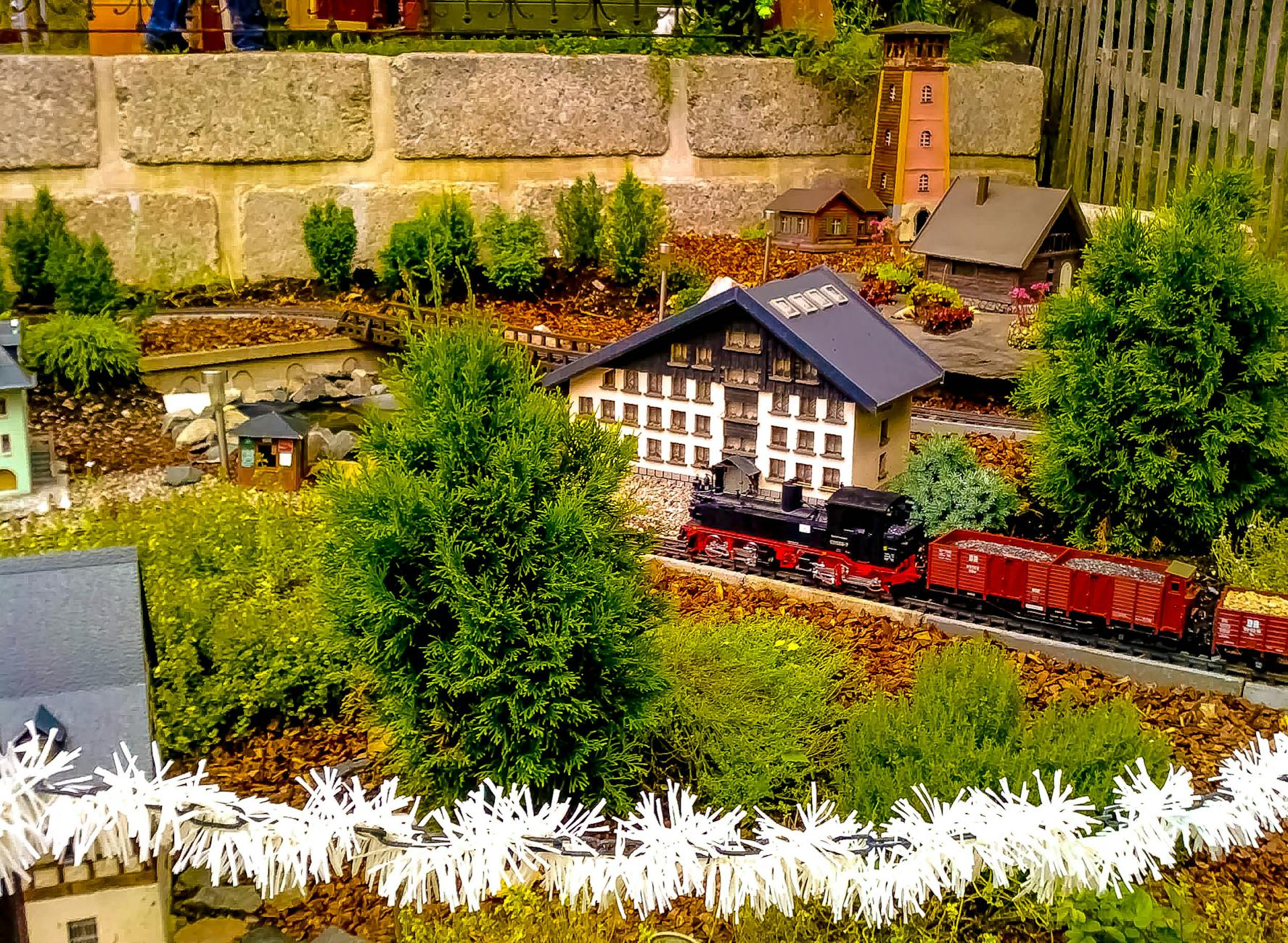
- Miniature Models: These include scale models of buildings, vehicles, landscapes, or figures. Model trains, architectural models, and dollhouse furniture are examples of this category.
- Miniature Figurines: Often used in hobbies and games, such as tabletop role-playing games and wargames, these small statues represent characters or creatures.
- Miniature Books: These are books that are much smaller than typical books, often collectible items, and sometimes readable despite their size.
- Miniature Animals or Plants: In the context of living things, “miniature” can refer to breeds or varieties that are much smaller than average, such as miniature horses or bonsai trees.
Miniatures are appreciated for their craftsmanship, the skill required to create them, and the way they can represent complex subjects in a compact form.
 Miniature Society of Charleston
Leave a comment